
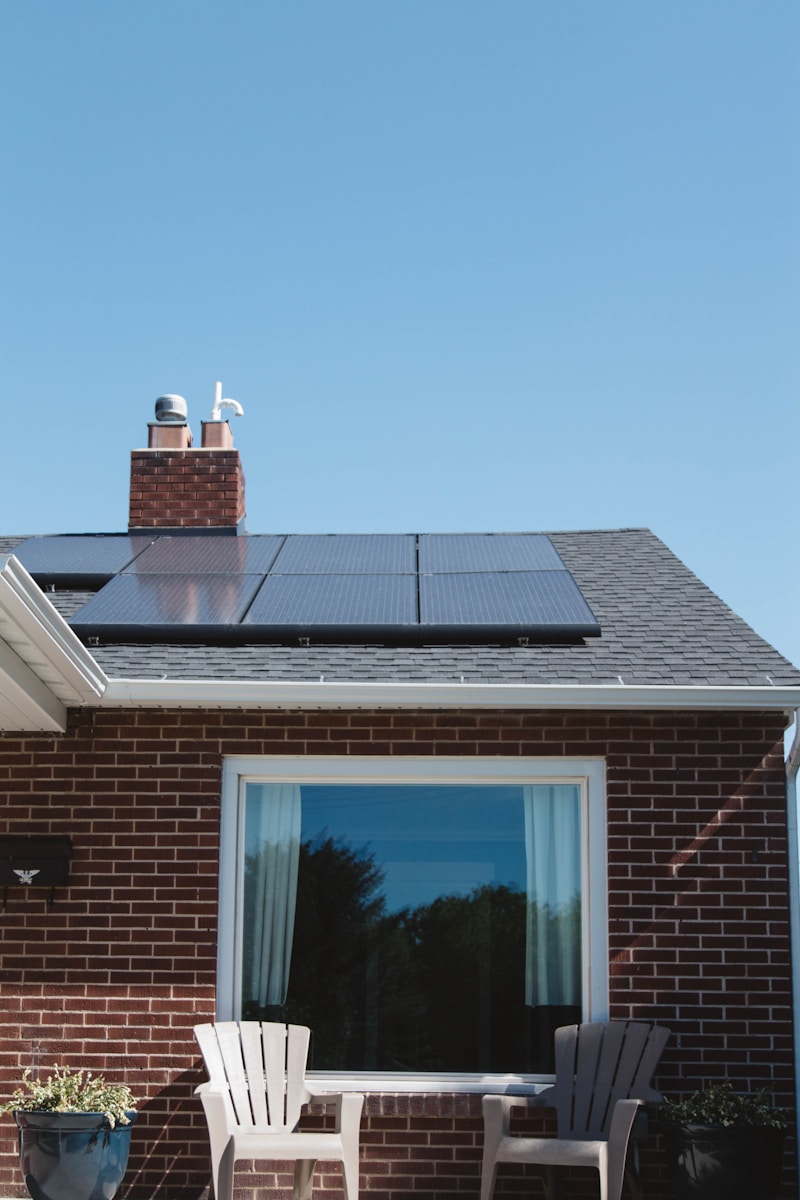
I have been thinking about solar power. I am not an expert. In fact, before diving into hours of YouTube videos and online reviews, I knew next to nothing about it. But the idea of having a reliable backup system for my home? That feels increasingly important. Power outages are unpredictable, and I do not love the thought of sitting in the dark, worrying about my refrigerator, phone, or basic appliances.
I started looking at portable power stations that work with solar panels—brands like Anker, Ecoflow, Jackery, and Bluetti. They are not cheap, but if the glowing reviews and endless video demonstrations are any indication, they seem worth it. Still, as I weigh my options, a few questions keep bouncing around in my head. How much power do I really need? Is it smarter to invest in a single, powerful unit or go with stackable devices? And what happens when the batteries eventually wear out?
Why Solar Power Appeals to Me
The more I think about it, the more sense it makes. I like the idea of reducing my reliance on the grid. I do not need to go fully off-grid, but knowing I could run essential appliances during a blackout gives me peace of mind. Imagine not worrying about spoiled food, dead phone batteries, or losing internet access during an outage. Plus, there is something appealing about harnessing energy directly from the sun—no fuel, no noise, and no ongoing cost once the system is set up.
Then there are the rising energy costs. While I am not ready to sell power back to the grid, cutting down on monthly bills sounds pretty nice. If a solar setup can shave off a portion of my energy use, I am all for it. But where do I start?
Portable Power Stations: Are They Enough?
The first thing I learned is that portable solar power stations vary wildly in capacity and function. Some are designed to charge a few devices, while others can run major appliances for hours. I am leaning toward the higher-capacity models. I want something that can keep essentials like the refrigerator, Wi-Fi router, and a few outlets running during a blackout.
From what I have gathered, these are the main players:
- Anker: Known for their compact, efficient designs. They offer sleek options with fast-charging capabilities, though some reviews say their larger models are a bit pricey.
- Ecoflow: This brand keeps popping up. Their devices often have rapid charging, and I like that they offer expandable systems. The Delta Pro seems like a powerhouse, but it is not exactly cheap.
- Jackery: One of the most popular names in portable power. They offer solid reliability and a range of sizes. I like their user-friendly design, but some say their recharge times are slower.
- Bluetti: These seem to balance power and modularity well. Many models let you expand capacity by stacking extra batteries. That flexibility is tempting, especially since I do not want to overspend upfront.
I keep asking myself: Do I want a massive all-in-one system or a modular setup I can expand later? Modular systems seem practical, but a single powerhouse unit might be easier to manage.
How Much Power Do I Need?
This part confuses me. Power consumption is measured in watts and watt-hours (Wh), and understanding what my home actually uses feels overwhelming. Based on my research, here are some rough numbers for common appliances:
- Refrigerator: 100-800W (depending on efficiency and age)
- Wi-Fi Router: 10-20W
- Laptop: 50-100W
- TV: 100-400W
- Microwave: 600-1200W
If I want to keep these essentials running for 24 hours, I need a system with at least 3000Wh of capacity. That is a big ask, but it is possible with some of the larger Ecoflow and Bluetti models.
Off-Grid Dreams vs. Practical Reality
Going completely off-grid sounds appealing. No utility bills, no reliance on power companies. But it is not as simple as plugging in a solar panel and walking away.
For one, solar panels only work when the sun is shining. That means I would need substantial battery storage to cover cloudy days or nighttime use. And what about maintenance? I worry about things like water damage and keeping the system free from critters.
Then there is the question of heat. Batteries, especially large lithium ones, generate heat during operation. How much of an issue is that? Do these systems need special ventilation or cooling? I do not want a backup system that turns into a fire hazard.
Battery Longevity and Replacement
One thing that gives me pause is the lifespan of these batteries. Most portable power stations use lithium-ion or LiFePO4 batteries. While LiFePO4 lasts longer (up to 3,500 charge cycles or more), both types degrade over time. What happens when the battery starts losing efficiency?
I need to find out whether these brands allow battery replacement or if the entire unit needs to be discarded. Bluetti and Ecoflow seem to offer more modular, serviceable designs, which makes me feel a bit better about long-term value.
What About the Technical Side?
I will admit—the technical side of solar setups intimidates me. Watching videos where people cut and crimp cables makes me nervous. I do not want to mess around with high-voltage wiring. Some plug-and-play models exist, but they still require a bit of DIY. If I decide to go bigger, I might need a professional installation.
Apps also come up a lot in reviews. Many of these systems have companion apps to monitor battery levels, track solar input, and manage devices. It sounds convenient, but do I really need it? Maybe. I like the idea of monitoring everything from my phone rather than guessing how much power I have left.
My Next Steps
I still have a lot of questions, but here is my rough plan:
- Figure Out My Energy Needs: I am going to track my daily power usage and identify which appliances are must-haves during a blackout.
- Choose a System: Right now, Ecoflow and Bluetti feel like the best fits because of their expandable options. Anker and Jackery are still in the running if I decide to start smaller.
- Decide on Installation: If I stick with a portable system, I can probably handle setup myself. For anything more complicated, I will call in an expert.
- Prepare for the Long Haul: Whatever I choose, I want to be sure I can replace the battery when it eventually degrades.
Going solar feels like a big decision, but the benefits are hard to ignore. I am not ready to go completely off-grid, but having a reliable backup system feels like a smart move. And honestly? There is something empowering about harnessing the sun to keep the lights on when everything else goes dark.










Leave a Reply